
Sydney throws a lot at first-time visitors. You've got the harbour, the beaches, the national parks on the doorstep, and wine country two hours north. The best tours Sydney Australia operators run aren't the ones cramming every postcard shot into eight hours. They're the ones that know when to slow down, where the locals actually go, and how to match the day to what you're actually interested in. Whether you're here for wildlife, wine, coastal walks or just a solid introduction to the city, here's what to look for and where your time is best spent.
What Makes a Tour Worth Your Time
The gap between a memorable day out and a forgettable one usually comes down to three things: group size, guide knowledge, and flexibility. Tours capped at 15 guests mean you can hear the guide without a microphone, ask questions without holding up 40 people, and actually have a conversation over lunch.
Local guides make the difference. They know which lookout gets the best light at 3pm, where to find wombats at Featherdale without fighting the crowds, and which cellar door in the Hunter pours the good stuff before you buy. They also know when to skip the script.
Small Group vs Private: What You Actually Get
Small group tours keep costs down and work well if you're comfortable with a set itinerary. You'll share the day with other travellers, stick to a schedule, and visit the highlight spots everyone expects.
| Tour Type | Best For | Flexibility | Price Point |
|---|---|---|---|
| Small group (12-15 guests) | Solo travellers, set itineraries, major highlights | Low – fixed route and timing | $150–$250 per person |
| Private (your group only) | Families, custom interests, pace control | High – change plans on the day | $800–$1,500 total (splits across group) |
| Self-drive with guide notes | Budget-conscious, experienced drivers | Complete – but no local insight | Rental + fuel only |
Private tours cost more upfront but split across four people, the per-head difference shrinks. You also get to start when you like, linger where it matters, and skip what doesn't interest you. If someone in the group tires easily or a toddler needs a nap, you're not locked into someone else's schedule.
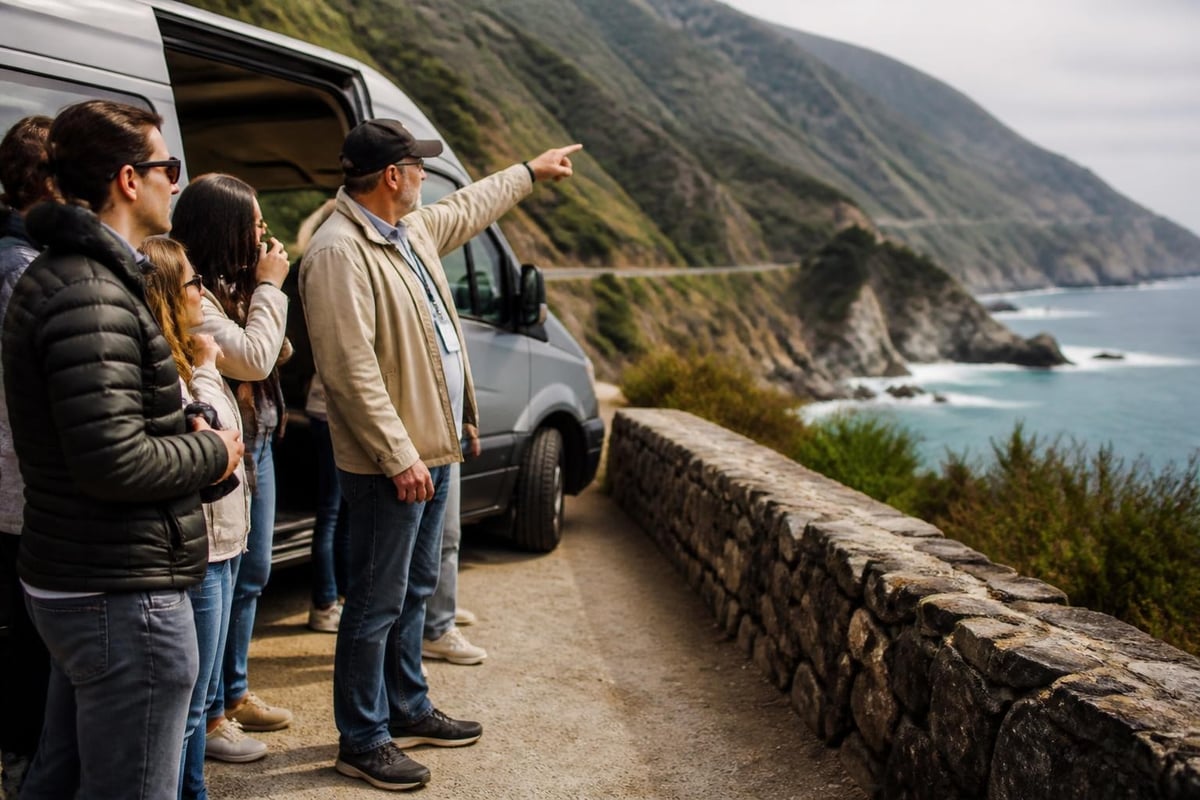
Harbour and City Experiences
Sydney Harbour is the obvious starting point, and the official Sydney Opera House tours remain one of the few experiences worth the tourist traffic. The backstage tour shows you the concert hall, the drama theatre, and the stories behind Utzon's design. Book early, especially for the sunrise sessions.
Ferries are the best-value harbour tour going. The Manly ferry route from Circular Quay cuts through the heads, past clifftop suburbs and national park, and lands you at an actual beach town with decent coffee. It's $8 return and runs every 30 minutes.
Wildlife Encounters That Aren't Zoos
Taronga Zoo sits on the harbour's north side with Sydney's best animal encounters, including behind-the-scenes keeper programs and the morning roar-and-snore campouts. The ferry from Circular Quay delivers you to the bottom entrance, and the sky safari cable car takes you up the hill past giraffes and elephants with harbour views in the background.
For something less structured, the Royal Botanic Garden’s guided walks cover everything from Aboriginal plant use to colonial history. The gardens run right along Farm Cove, so you're still on the harbour but away from the Circular Quay crowds.
Featherdale Wildlife Park out near Doonside is where Sydney operators take guests before heading into the Blue Mountains. It's less about glass enclosures and more about koalas at eye level and hand-feeding kangaroos. The park opens at 8am, and the earlier you arrive, the more active the animals are.
Blue Mountains Day Tours
The Blue Mountains sit 90 minutes west of Sydney, and every tour operator runs some version of the same day. The difference is in what they skip and where they give you time. The best tours Sydney Australia has heading into the mountains know that Wentworth Falls beats the crowds at Echo Point, and that the Undercliff Track offers better walking than the tourist shuffle around the Three Sisters viewing platform.
What to Expect from a Proper Mountains Day
A solid Blue Mountains itinerary starts with wildlife (usually Featherdale), includes at least one proper bushwalk, breaks for lunch in Leura or Katoomba, and finishes with valley lookouts in afternoon light. The walk is what separates serious operators from windscreen tours.
- Wentworth Falls Undercliff Track: 3km return, mostly flat, beneath sandstone overhangs with valley views
- Katoomba Cascades Circuit: Shorter, steeper, quieter than Echo Point
- Scenic World rides: Railway, Cableway, Skyway – great if walking's not your thing
- Megalong Valley: Wide pastoral valley lookout, especially good in late afternoon
If you're booking a small group Blue Mountains tour, check whether the walk is included or optional. Some tours call a 200-metre boardwalk a bushwalk. Others give you a full hour on a proper track with a guide who knows the geology and the bird calls.
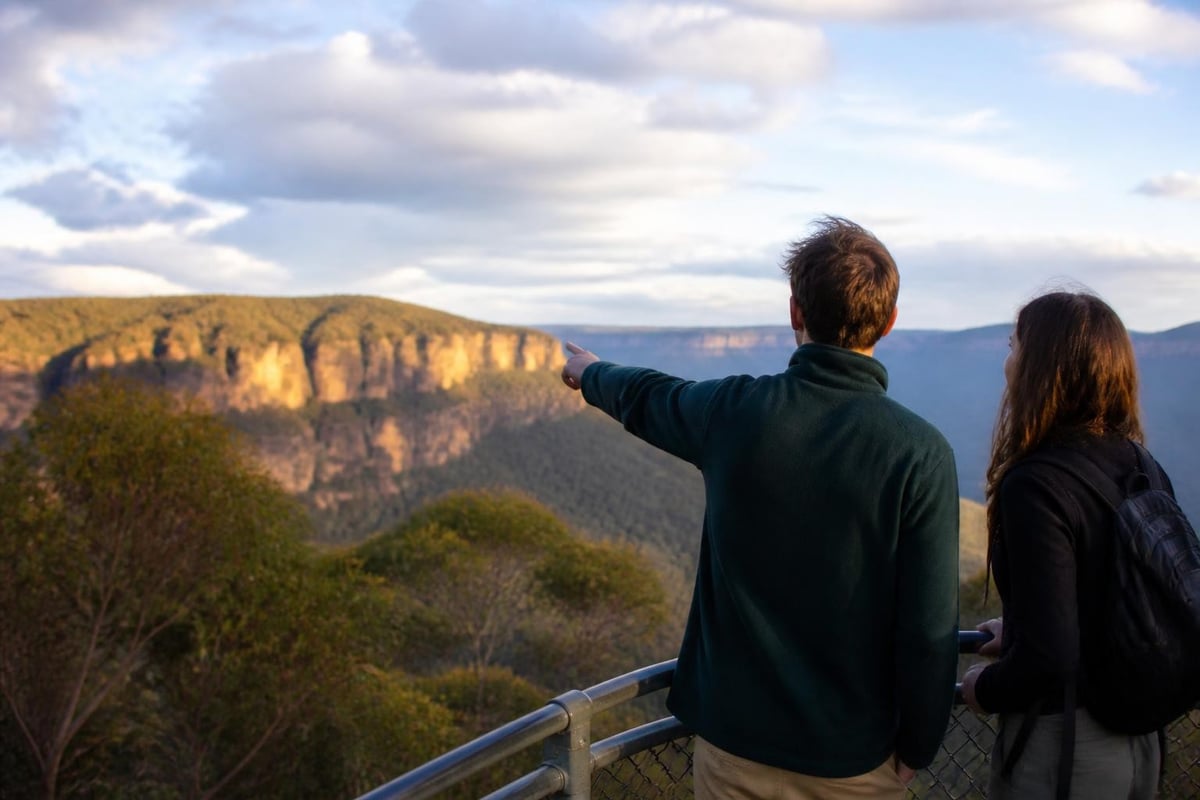
Private Blue Mountains tours cost more but let you choose the walking level, start early to beat tour buses, and add stops most groups skip – Govetts Leap, Pulpit Rock, or the railway heritage museum at Valley Heights. You also decide when to head back, or whether to take the scenic ferry route home instead of the motorway.
Hunter Valley Wine Tours
The Hunter Valley runs two hours north of Sydney and focuses on Semillon and Shiraz rather than the Chardonnay-Pinot parade you'll find in cooler regions. Most cellar doors open at 10am, and a proper day includes six to eight tastings, cheese or chocolate, and lunch somewhere with a vineyard view.
Tailoring a Wine Day
Small group wine tours visit the big names – Tyrrell's, Pepper Tree, Tempus Two – because they're reliable and have the infrastructure for buses. You'll taste well, learn the region's history, and share the day with other wine fans. Less flexibility, but you're not paying for an empty seat.
Private wine tours let you chase smaller producers, spend an hour at the one winery that nails your favourite variety, or swap half the wineries for a distillery and a brewery if wine isn't everyone's thing. Lunch venues range from wood-fired pizza at Harrigan's to a long degustation at Muse.
| Tasting Style | Cellar Doors | What You'll Learn |
|---|---|---|
| Big-name wineries | Tyrrell's, McGuigan, Audrey Wilkinson | Regional history, classic varieties, broad range |
| Boutique producers | Tallavera Grove, Silkman, Meerea Park | Single-vineyard focus, winemaker stories, niche styles |
| Mixed (wine + other) | Distillery Botanica, Hunter Beer Co, Hunter Valley Chocolate Co | Local produce, spirits, craft beer, artisan chocolate |
Tasting fees run $5–$15 per venue and usually get waived if you buy. Lunch is extra and worth booking ahead, especially on weekends.
If you're already staying in the Hunter, a few operators offer pickups from your accommodation rather than dragging you back to Sydney first. That frees up seven hours for actual tastings instead of windscreen time.
South Coast and Coastal Drives
The Grand Pacific Drive south of Sydney strings together the Royal National Park, the Sea Cliff Bridge, and the Kiama coastline into a full day that's less about ticking off landmarks and more about the road itself. It's one of the best tours Sydney Australia operators run for people who've already done the harbour and the mountains.
Royal National Park to Berry
Wattamolla is the first proper stop – a tidal lagoon behind the beach with a waterfall dropping straight into the swimming hole. It's quiet on weekdays and worth an hour if the weather's decent.
The Sea Cliff Bridge at Coalcliff is the postcard shot, a curved concrete ribbon hovering above the Pacific. There's a car park at the southern end where you can walk back along the bridge if you want the photo without the traffic.
Kiama's blowhole works best with a solid southerly swell pushing water through the rock shelf. The main blowhole gets the crowds, but the little blowhole next door often puts on a better show. Lunch in Kiama town or push on to Berry, a Federation-era village with better cafes and fewer tour buses.
Private South Coast tours let you add Temple Nan Tien (the largest Buddhist temple in the southern hemisphere), detour through Kangaroo Valley, or finish with a wine tasting in the Shoalhaven's boutique vineyards around Gerringong.
First Nations and Cultural Tours
Sydney's Aboriginal history runs deeper than the European colonial layer most tours focus on. The Gadigal and Eora people lived around the harbour for tens of thousands of years, and a handful of operators now share that perspective through walking tours, harbour cruises, and bushfood experiences.
The Gargarle harbour tour run by the NSW parks service takes guests around Sydney Harbour National Park's islands and foreshore with Aboriginal guides sharing stories about fishing, ceremony, and the impact of 1788.
Botanic Garden walks often include Aboriginal plant use – which plants were food, which were medicine, and how seasonal knowledge shaped daily life. These aren't performative experiences. They're guided conversations with people whose families have been here since long before Cook sailed past.
Choosing the Right Operator
The best tours Sydney Australia has on offer in 2026 share a few common traits: small groups or private options, guides who live here year-round, and itineraries that leave room for the unplanned good stuff. You'll find plenty of cheap bus tours cramming 50 people through five stops in six hours. They're efficient. They're rarely memorable.
What to Ask Before You Book
- What's the group size cap? Anything over 20 people turns into crowd management.
- Who's guiding? Backpackers on working visas or locals who've been doing this for years?
- What's included? Entry fees, lunch, tastings – know what you're paying for.
- Can the itinerary flex? Weather changes, interests shift. Good operators adapt.
Check recent reviews for mentions of the guide by name. If the same guide keeps getting called out for going the extra mile, that's the tour you want.
Visit NSW and Lonely Planet’s Sydney guide both maintain updated lists of current tour operators and seasonal experiences, and Destination NSW’s sustainability reporting tracks which operators are serious about responsible tourism practices.
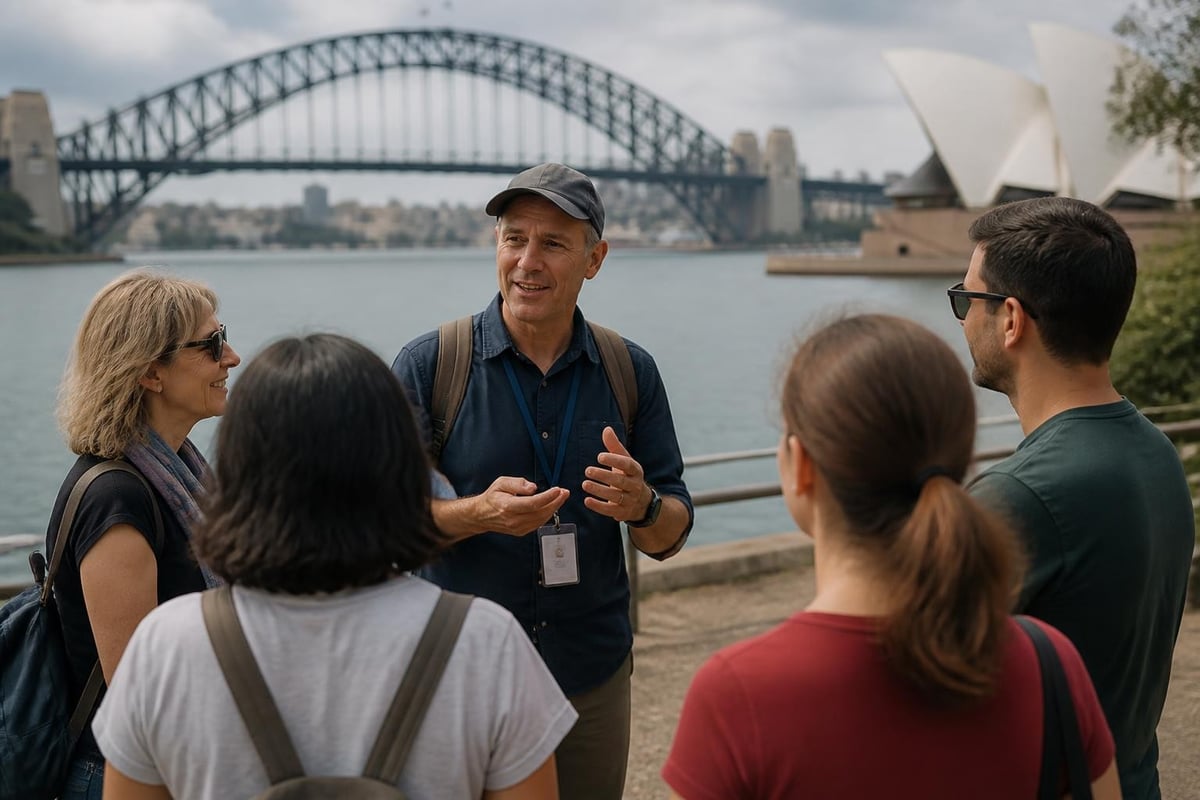
Seasonal Considerations
Sydney's seasons aren't dramatic, but they shift what's worth doing. Summer (December to February) brings beach weather and long daylight but also crowds and heat. The Blue Mountains stay cooler, and early-morning starts make more sense.
Autumn (March to May) is the sweet spot. Comfortable temperatures, fewer tourists after school goes back, and the Hunter Valley hits harvest season. Wine tours book out faster, but the vines are at their best.
Winter (June to August) keeps days mild – usually 15–20°C – though the mountains can get properly cold and occasionally see snow. Whales migrate north past the coast from June through September, and coastal tours add whale-watching detours.
Spring (September to November) brings wildflowers to the national parks and jacarandas to the city streets. The weather's changeable – pack layers – but it's one of the best times for bushwalking before the summer heat settles in.
Day Trips Beyond the Usual
Most visitors stick to the Blue Mountains, the Hunter Valley, or a harbour day. Fair enough – those three cover the essentials. But if you're here for more than a few days or you've already ticked the big boxes, a handful of less-obvious day trips deliver just as much without the tour-bus traffic.
Palm Beach and Ku-ring-gai Chase
The Northern Beaches run 40km north from Manly to Palm Beach, where the Barrenjoey Lighthouse sits on the headland between Pittwater and the ocean. The walk up takes 30 minutes, and the view explains why this coastline features in every second Australian surf film.
Ku-ring-gai Chase National Park wraps around the northern harbour tributaries with Aboriginal rock engravings, quiet beaches and bushwalking tracks that see a fraction of the traffic the Blue Mountains get. West Head Lookout shows you Pittwater, Barrenjoey, and the offshore national park islands in one sweep.
Southern Highlands
Two hours south-west of Sydney, the Southern Highlands trades beaches and harbour for cool-climate gardens, farm gates, and towns that haven't changed much since the 1950s. Bowral, Moss Vale, and Bundanoon make a solid day loop with cafes, antique shops, and access to Morton National Park's plateau walks.
The Highlands also run cooler than Sydney, which makes them a good summer escape when the city's pushing 35°C.
Booking Smart
Most operators offer online booking, but a phone call or email often gets you better answers about group size, guide experience, and whether the itinerary suits your interests. Ask about pickup locations – some operators cover the whole Sydney metro area, others stick to the CBD and North Shore.
Cancellation policies tightened up after 2020, and most now require 48–72 hours notice for a full refund. Weather cancellations (heavy rain, extreme heat, bushfire smoke) should come with a full refund or rebooking option, no questions.
Travel insurance that covers tour bookings is worth the $50 if you're prepaying multiple days. Medical cover matters more – Australia's healthcare is solid, but you'll pay full price as a visitor.
Private tours lock in your date once you pay the deposit. Small group tours run on minimum numbers (usually four to six guests), so occasionally they'll cancel or consolidate dates if bookings are light. Confirm a day or two before you're due to go.
Accessibility and Inclusive Experiences
Sydney's tourism industry has lifted its game on accessibility over the past five years, though there's still a gap between what the major attractions offer and what smaller tour operators can manage. The Opera House, Taronga Zoo, and most harbour cruises provide wheelchair access and assistance options.
Blue Mountains tours are harder. Most involve uneven ground, steps, and bushwalking tracks that don't suit mobility aids. Scenic World's rides are accessible, and some operators can arrange modified itineraries focusing on drive-up lookouts and shorter walks.
Wine tours work better – most cellar doors have level access, and private tours in accessible vehicles are available if you book ahead and specify requirements. The same applies to coastal drives, where most stops involve car parks with water views rather than long walks.
The best tours Sydney Australia has to offer in 2026 aren't the ones hitting every landmark in a single day. They're the ones that match the experience to what you're actually here for, leave room for the unplanned moments, and employ guides who know the difference between reciting facts and sharing a place they love. Whether you're after wildlife in the Blue Mountains, wine in the Hunter, or a coastal drive south, the day you'll remember is the one that felt like exploring with a local mate rather than being herded through a checklist. Sydney Adventure Tours runs exactly those kinds of days – private and small group options across the Blue Mountains, Hunter Valley and South Coast, tailored around what makes your trip worth the flight. Get in touch and let's sort out what suits.


